
Are you ready to investigate a familiar house filled with strange occurrences? Home Alone begins in silence and becomes increasingly eerie with each passing moment. Every room in the game may hold a secret, and every sound evokes unease. Players must observe, analyze, and confront the mysterious events in Home Alone, a lonely place rife with conspiracies and dangers.
What is Home Alone?
Home Alone is a psychological exploration game set in a peaceful, comfortable environment. In the game, players study their surroundings, interact with familiar objects, and note subtle changes. Initially, everything seems normal, but the silence and strange details cause anxiety. Each action and area explored reveals mysteries, drawing players deeper into the fragile atmosphere of the house.
How to play Home Alone.
Playing Home Alone is quite simple. Players simply start the game and explore the house at night. The main experience involves observing and paying attention to subtle changes in the surrounding environment.
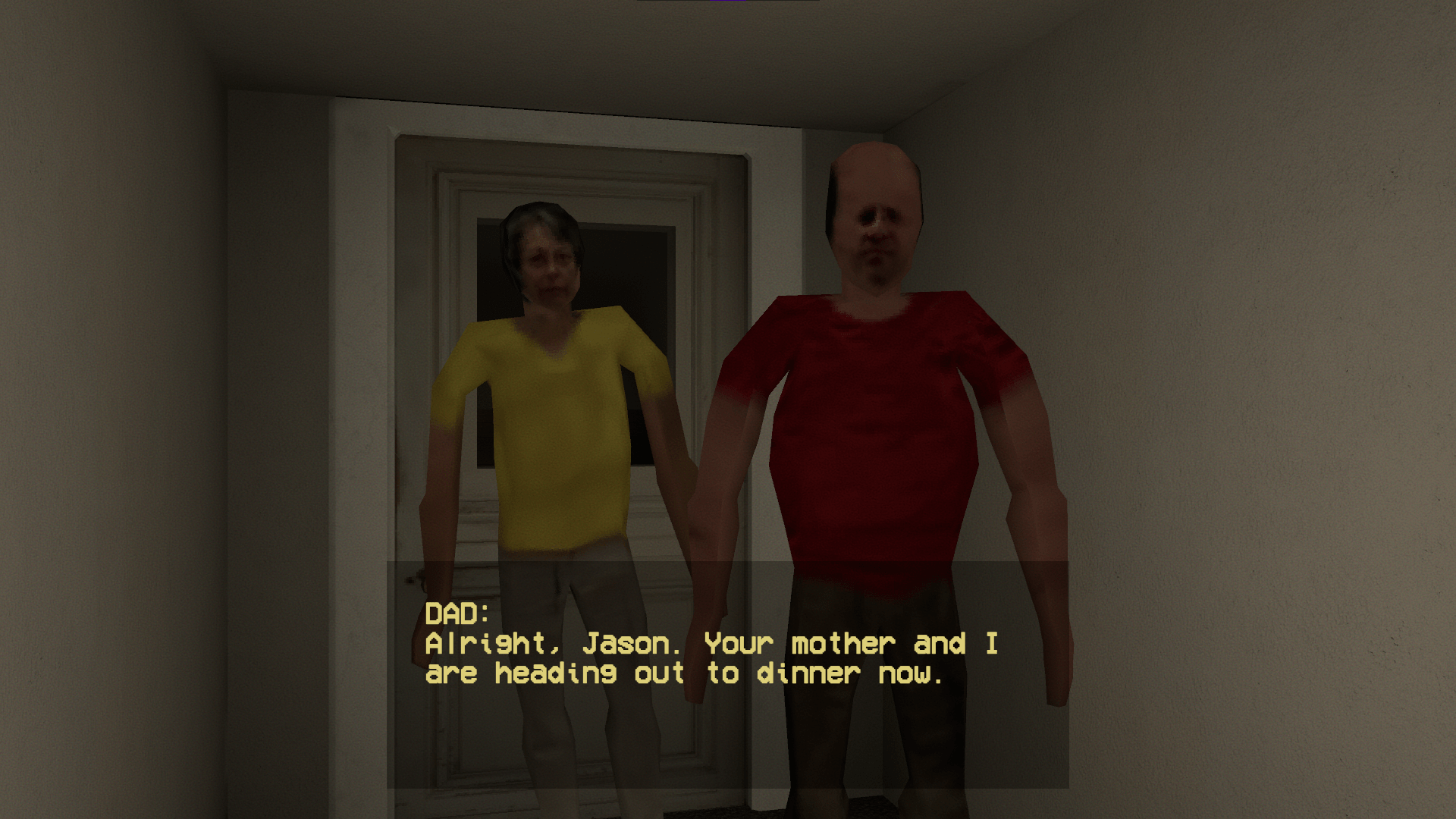
Exploring the House.
Players will navigate typical rooms such as the living room, hallway, bedroom, and kitchen. During their exploration, they can interact with various objects.
- Doors, lights, television, and windows.
- Strange sounds, shadows, and bizarre movements.
- Small details that change over time.
Each interaction has the potential to trigger events or alter the atmosphere of the house.
Dealing with Anomalies.
Initially, everything seems normal. However, the longer you stay, the more strange events appear. Some actions may lead to unpleasant, anxiety-inducing situations or reveal hidden truths.
Continue Exploring.
Home Alone encourages players to observe carefully and experiment with different ways of interacting. Each playthrough can offer a unique atmosphere, with new elements proactively revealed, creating a slow but terrifying psychological horror experience.
Are you ready to step into this quiet, strange house?
Are you prepared to explore Home Alone and confront the bizarre phenomena occurring in a seemingly familiar home? Join the adventure not to test your reflexes, but to uncover the horrifying truths hidden in each room. Play Home Alone today and let the peaceful atmosphere and strange elements of the game spark your curiosity and suspense.
Inside the Home Alone Game on Apostate Verity
The Home Alone game on Apostate Verity is an atmospheric horror session framed with dread that refuses a soft landing. Use the in-page player above — no outbound “Play Now” detours, no account wall. Are you ready to investigate a familiar house filled with strange occurrences? Home Alone begins in silence and becomes increasingly eerie with each passing moment.
Why Readers Open the Home Alone Game Here
Readers usually open the Home Alone game for a browser horror fix without install friction. Apostate Verity keeps the embed, facts, and field notes together so you can read the premise and play without bouncing to another domain. Apostate Verity catalogs the Home Alone game because it treats fear as narrative weight, not jump-scare wallpaper.
Home Alone Game Session Notes
Field notes for the Home Alone game: expect roughly twenty to forty minutes per run. Controls stay simple but tense — playing Home Alone is quite simple. Players simply start the game and explore the house at night. The main experience involves observing and paying attention to subtle changes in the surrounding environment.. The Home Alone game runs in a web browser session, same low-friction setup as other Apostate Verity catalog entries. Players who read dialogue and UI cues finish with more context; players who rush still get a complete horror session.
First Run Notes for the Home Alone Game
At session open, playing Home Alone is quite simple. The Home Alone game rewards respect for foreshadowing — habits that fit Apostate Verity’s darker narrative shelf. After credits, note which ending or outcome you earned; the Home Alone game is meant to be readable on a second pass, not disposable filler.